Sipping or Skipping: Understanding Alcohol and Breastmilk
If you’re breastfeeding and wondering how alcohol fits into the picture, you’re not alone. Almost every new parent asks the same thing at some point. You want to keep your baby safe, but you also want honest information instead of fear-based rules. The real answer is that alcohol and breastfeeding aren’t all-or-nothing. There are some important things to understand so you can make the choice that feels right for you and your baby.

When I talk with parents about feeding, this topic comes up more often than you’d think. Everyone wants to do the right thing, but it can feel confusing when you hear mixed messages from friends, online groups, or even well-meaning relatives. So let’s talk through the basics in a calm, practical way.
How Alcohol Moves Through Your Body and Into Breastmilk
Alcohol doesn’t stay isolated in one place after you drink it. Once it’s absorbed into your bloodstream, it also appears in your breastmilk. The level of alcohol in your milk mirrors the level of alcohol in your blood, which means it rises and falls at the same rate.
How Alcohol Shows Up in Breastmilk
It peaks about 30 to 60 minutes after you finish drinking.
That window can be a little longer if you’re drinking with a meal, since food slows the absorption of alcohol.
Your body clears alcohol slowly and steadily.
There isn’t a trick or hack to speed it up. No amount of water, coffee, pumping, or snacks will make your body metabolize alcohol faster.
How long it takes depends on your unique body.
Things like:
- your weight
- how much alcohol you had
- how fast you metabolize alcohol
- whether you drank with food
All of these influence how long alcohol remains in your system.
What This Means for Feeding
Because breastmilk alcohol levels match your blood alcohol level, milk becomes alcohol-free only when you are alcohol-free. If you feel fully sober, steady, and alert, your milk is typically in the same place.
Pumping and Dumping: What It Actually Does
Pumping and dumping can absolutely be helpful for comfort if your breasts are full, but it does not make the alcohol leave your system faster. Pumped milk will still contain alcohol until your body has cleared it naturally.
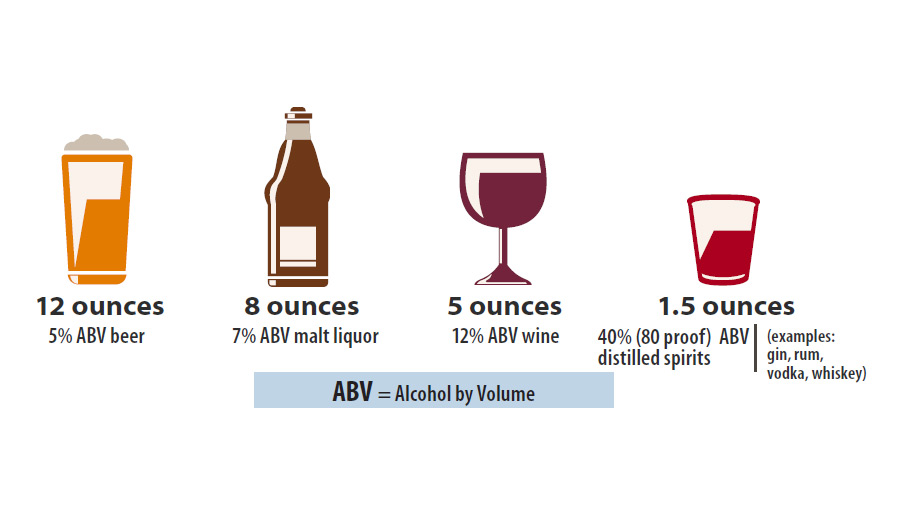
On average, one standard drink takes about two hours to metabolize, but this can vary. Standard drink sizes include:
- 12 oz beer
- 5 oz wine
- 1.5 oz liquor
If you’ve had more than one drink, the timing increases with each additional serving.
How Alcohol Can Affect Your Baby
Alcohol can influence your baby’s feeding and sleep patterns, especially if you nurse while alcohol is still in your system.
Possible effects include:
- a more sleepy baby who may feed less
- changes in feeding rhythm or hunger cues
- a disrupted sleep pattern later in the night
These effects usually show up when milk contains measurable alcohol, which is another reason timing matters.
How Alcohol Can Affect Your Body and Milk Supply
Alcohol can also influence your body’s ability to produce milk. Drinking can:
- lead to dehydration
- temporarily reduce milk supply
- affect letdown for some parents
This doesn’t happen to everyone, but it’s something to be aware of if feeding supply is a concern.
How to Drink Safely While Breastfeeding
Plenty of breastfeeding parents choose to have an occasional drink. The key is doing it thoughtfully. Here are simple guidelines that help most families feel comfortable:
- Drink right after a feeding, so your body has the most time to metabolize alcohol before the next session.
- Stick with one drink and give your body time to process it.
- Avoid binge drinking.
- Have someone else available and fully sober to help if you need support.
- Listen to your body. If you feel impaired, your milk still contains alcohol.
There is no need to fear breastfeeding after drinking once enough time has passed. The goal is awareness, not guilt.
FAQ: Common Questions About Drinking and Breastfeeding
Does alcohol stay stored in breastmilk until I pump it out?
No. Milk in your breasts doesn’t “hold on” to alcohol. The level in your milk rises and falls with your bloodstream. Once your body clears the alcohol, your milk is clear too.
Can pumping and dumping help?
It helps if your breasts feel full, but it does not speed up alcohol removal from your body. Only time does that.
Is it safe to have a drink while breastfeeding?
Yes, as long as you allow enough time for the alcohol to leave your system. One drink usually leaves the average body in about two hours, but that timing can vary.
Helpful Resources