Choosing the Best First Foods Approach for Your Baby: What Parents Should Know
Starting solids is a big moment. It’s exciting, a little nerve-wracking, and filled with mixed advice from every direction. If you’ve ever found yourself googling at 2 a.m. wondering whether to start with purees, try baby led weaning, or mix both, you’re not alone. Today we’re breaking down the main approaches so you can make a choice that feels good for your baby and your family.
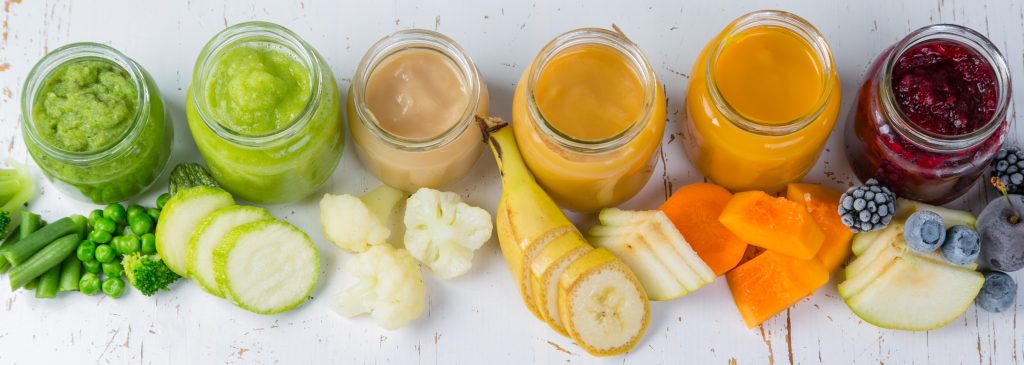
Before we dive in, here’s a quick heads up. You’re going to learn what each method looks like, the benefits, the challenges, and how to figure out the best fit for your baby’s development and your comfort level. I’ll also share a little of what I’ve seen in practice while supporting families through this stage.
Understanding the Different Ways to Start Solids
There are three main ways babies are introduced to solid foods: the traditional spoon-fed puree route, baby led weaning, and a blended or combo approach. None of these are “right” or “wrong.” They’re simply different roads that lead to the same goal. The key is understanding how they work so you can choose the path that helps your baby feel safe, confident, and ready to explore food.
The Traditional Puree Method
This is the classic approach many parents grew up with. It usually starts with smooth, soft purees given by spoon alongside continued milk feeds. As your baby becomes more comfortable, textures gradually get thicker and chunkier.
Why some families like it:
- You have clear control over portions and ingredients.
- It helps you track new foods and potential sensitivities.
- The slow increase in texture can feel predictable and comforting for both parents and babies.
A few things to keep in mind:
- Some babies lose interest in spoon feeding if textures don’t advance steadily.
- Parents sometimes worry about encouraging picky eating if they stay with smooth foods for too long.
- It can take more prep time if you are cooking or steaming your own purees.
This method can be a great fit for babies who like a slower pace, families who enjoy structure, or parents feeling nervous about gagging or messy self-feeding.
Baby Led Weaning
Baby led weaning encourages babies to self-feed soft, grabbable foods from the start. Think sliced avocado, roasted sweet potato wedges, soft fruits, or shredded meats. Babies explore textures with their hands and decide what and how much to eat.
Why some families enjoy it:
- Babies learn to regulate their own appetite early.
- They eat with the family and may naturally join shared meals more easily.
- They get hands-on exposure to different textures and flavors right away.
Things parents often consider:
- Meals are usually messier.
- Parents need to stay aware of iron-rich foods and overall nutrition.
- Gagging is normal, but the fear of choking can feel stressful at the beginning.
BLW works well for families who want a sensory-driven experience, have the time to eat together often, or enjoy following babies’ lead during mealtimes.
Combo or Blended Feeding
Combo feeding blends both worlds. Babies are offered purees as well as safe, soft finger foods. It’s flexible, responsive, and can shift as your baby grows.
Why families choose it:
- You can adjust day by day based on your baby’s cues.
- It supports independence while still giving parents a sense of structure.
- It may help with exposure to a wide variety of flavors and textures.
What to remember:
- Preparing both purees and finger foods can take a little more time.
- It requires watching your baby’s cues closely so meals don’t feel rushed or confusing.
This approach is a natural fit for parents who want a balance between structure and exploration, or who find themselves drawn to elements of each method.
How to Decide What’s Right for Your Baby
There’s no single roadmap. What works for one baby may not work for another. These things often help guide the decision:
Your baby’s signs of readiness:
Good head control, interest in watching others eat, sitting with support, and showing chewing movements are all signs they may be ready to explore solids.
Your own comfort level:
Some parents feel confident giving finger foods right away. Others feel more at ease starting with purees. Both instincts are valid.
Your family’s routine:
Are you eating dinner together most nights? Do you need foods that pack well for daycare? Do you have older siblings whose schedules impact mealtimes? These practical pieces matter more than people realize.
Your baby’s temperament:
Some babies love diving in with their hands. Others prefer slower experiences. Watch how your baby responds to new textures, flavors, and routines.
Making Mealtimes Enjoyable
No matter which approach you choose, the goal is the same: helping your baby feel confident, curious, and safe with food. A calm, pressure-free atmosphere goes a long way. Babies learn so much through watching your face, your pace, and your reactions. It’s okay for meals to be messy, slow, or different from day to day.
Helpful Places to Find Support and Ideas
Parents today are surrounded by advice. Finding reliable guidance matters, especially during feeding transitions. These are some of the resources families often find helpful:
Cookbooks and feeding blogs:
Plenty of thoughtful guides share simple recipes and ideas for both purees and finger foods. They can give you fresh inspiration when you feel stuck. One of my favorite sites is Solids Starts. They have amazing tips and resources.
Local classes or workshops:
Some communities offer intro-to-solids classes that walk families through safety, readiness, allergy guidance, and feeding development. If you are local to Columbus, OH, click here to learn more and join our next class!
Having the right tools:
A good high chair, soft spoons, suction plates, and easy-to-hold foods can make a real difference in helping your baby explore confidently.
FAQ
When should babies start solids?
Most babies are ready around six months, but readiness signs matter more than age. Look for steady head control, interest in watching others eat, and the ability to sit with support.
Is one method safer than the others?
All three methods can be safe when done correctly. Stay with your baby during meals, offer developmentally appropriate textures, and learn the difference between gagging and choking.
What if my baby refuses food at first?
This is common. Babies learn through repeated exposure. Offer foods consistently without pressure. Aim for a relaxed, predictable routine and trust the learning process.